

Buying beachfront property in Mexico can be a great investment, but it comes with a different set of risks than inland properties. Salt exposure, wind-driven rain, maintenance requirements, and hurricane conditions all affect how a property performs over time.
For buyers, the objective is simple. Understand what you are actually buying beyond the view. A property can look perfect on the surface while hiding issues that only appear months after closing.
This guide focuses on practical due diligence. Specifically, what to look for, what to ask, and how to avoid common mistakes when evaluating coastal properties.
Coastal property due diligence is different
In coastal environments, small issues tend to scale quickly. For example, minor water intrusion can turn into recurring leaks, damaged finishes, and ongoing repair costs. At the same time, corrosion affects metals gradually, which means problems are often invisible until they become expensive.
Because of this, coastal due diligence should focus on how the property behaves over time, not just how it looks during a showing.
What buyers should evaluate before making an offer
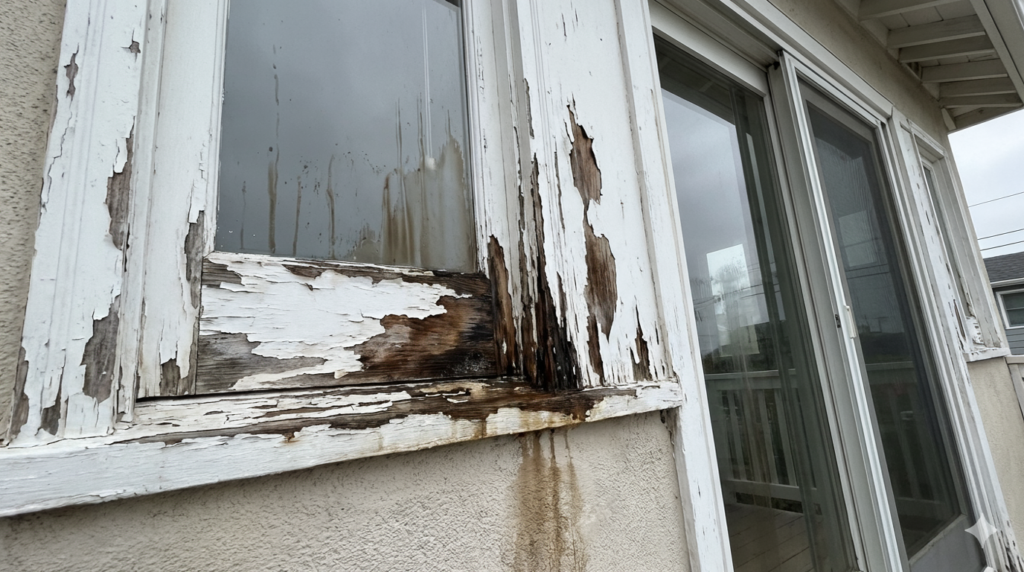
1) Water intrusion and drainage
Water is the main source of long-term problems in coastal properties.
Check openings, balconies, and roof transitions carefully.
- Are there visible stains, bubbling paint, or swelling materials?
- Do sliding doors and windows show signs of past leaks?
- Is there a clear path for water to drain away from the structure?
2) Corrosion and materials
Salt exposure is constant near the ocean, so materials matter.
- Are railings, fixtures, and fasteners showing rust?
- Are exterior units protected from salt exposure?
- Do materials look appropriate for a coastal environment?
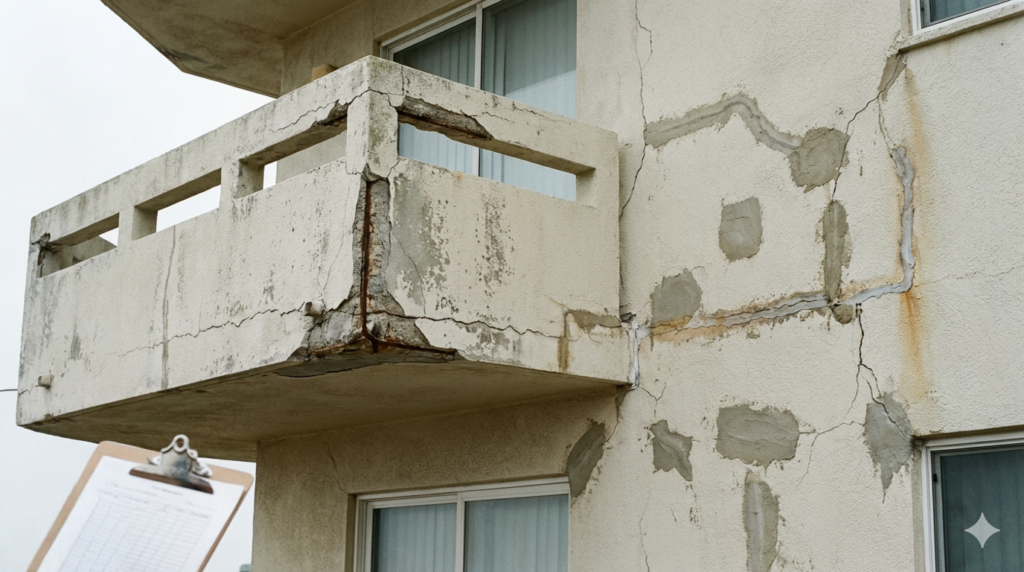
3) Signs of recurring repairs
Some properties show a pattern of patchwork fixes instead of permanent solutions.
- Are there multiple areas with sealant repairs?
- Do finishes look recently redone in isolated spots?
- Are cracks or joints reappearing after repair?
4) Access and operational reality
Buyers often focus only on the unit, but access and operations matter.
- Do roads flood during heavy rain?
- Is parking exposed or protected?
- How does the property handle power or water interruptions?
Hurricane Risk Questions You Should Ask
This checklist helps you understand real exposure before buying:
- What is the hurricane history in this specific area?
- What damage has this property had in past events?
- What protection systems are in place for windows and doors?
- How does the property prevent water intrusion under wind pressure?
- What protocols are followed before a storm?
- How are outdoor areas and furniture handled?
- What preventive maintenance is performed?
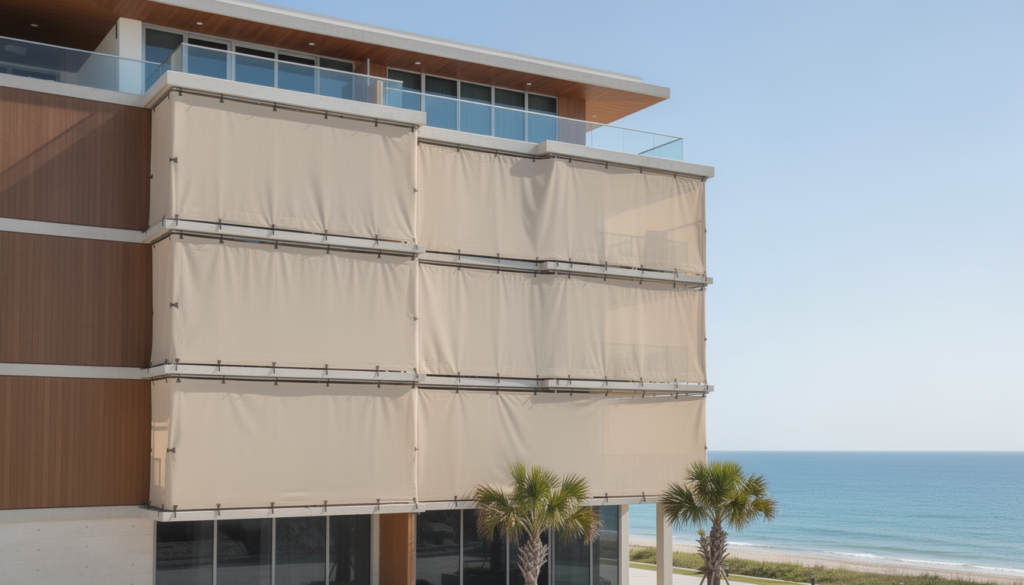
Some buyers choose to consult specialists such as Hurricane Solution to understand practical mitigation options before closing.
What documents you should request
Verbal answers are not enough. Ask for proof.
- Maintenance history
- Recent repair invoices
- Records from past storm seasons
- Warranty details for windows and waterproofing
If documentation is unclear or missing, you should factor that into your pricing.
How this affects your negotiation
Due diligence is not only about avoiding bad deals. It also helps you structure better ones.
If you identify:
- Future maintenance costs
- Missing protection systems
- Signs of recurring issues
You can negotiate:
- Price adjustments
- Seller credits
- Required repairs before closing
This shifts you from a passive buyer to an informed one.
Conclusion
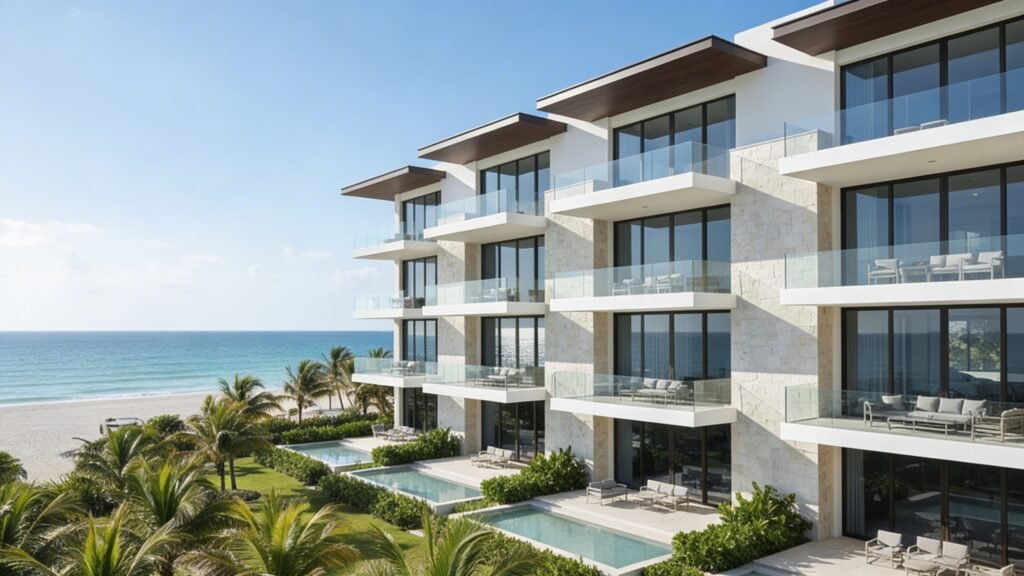
Beachfront property can perform very well as an investment, but only if you understand the risks behind the asset.
In practice, good buyers do not rely on appearances. Instead, they rely on structured due diligence, clear questions, and documented answers.
When you approach coastal purchases this way, you reduce surprises and make decisions with confidence.